
Skin tags, benign growths common on neck, armpits, groin, caused by friction or irritation. Diagnosing accurately determines removal method, from simple snip-and-burn to complex laser treatments. Tag Removal Edinburgh professionals offer tailored techniques for safety and effectiveness. Non-surgical methods like cryotherapy (freezing) or laser ablation are popular for minimal invasiveness, faster recovery. Laser treatments, utilizing focused energy, offer a safe, precise method with high success rates and minimal side effects. Essential for maintaining urban aesthetics and property value in Edinburgh, Tag Removal Edinburgh naturally involves advanced techniques to remove tags and graffiti without damaging surfaces. Proper aftercare, including cleanliness and topical ointments, is crucial for optimal healing, while prevention includes balanced diet, regular exercise, hydration, and exfoliation.
- Understanding Skin Tags: Causes and Types
- Non-Surgical Methods for Tag Removal Edinburgh
- Laser Treatments: Precision and Safety
- Surgical Options: When and Why to Consider
- Aftercare and Prevention: Keeping Your Skin Healthy
Understanding Skin Tags: Causes and Types

Skin tags, medically known as acrochordons, are small, soft, benign growths that typically appear on the neck, armpits, and groin areas. While they are generally harmless, many individuals seek Tag Removal Edinburgh services to address aesthetic concerns or discomfort caused by their presence. Understanding the causes and types of skin tags is a crucial first step in managing them effectively.
The primary cause of skin tags is friction or irritation of the skin. This can occur due to clothing rubbing against the same area repeatedly, especially in areas with natural creases like the neck and armpits. Hormonal fluctuations, obesity, and certain skin conditions also contribute to their development. They are more common in middle-aged adults, particularly women, but anyone can be affected. There are several types, including acral tags, which appear on non-sun-exposed skin, and pigmented tags that may have a dark base or tip due to increased melanin production.
Knowing the specific type of skin tag is essential as it dictates the most suitable removal method. Tag removal procedures range from simple snip-and-burn methods to more complex laser treatments. In Edinburgh, professionals employ various techniques tailored to individual needs, ensuring safety and effectiveness. It’s advisable to consult a dermatologist or qualified specialist for an accurate diagnosis and appropriate treatment plan.
Non-Surgical Methods for Tag Removal Edinburgh

Non-surgical methods for Tag Removal Edinburgh have gained popularity due to their minimal invasiveness, faster recovery times, and cost-effectiveness compared to traditional surgical excision. These techniques range from topical treatments to advanced laser therapies, all designed to eliminate skin tags safely and effectively. Topical applications of salicylic acid or podophyllotoxin are common first steps, as they can dissolve the skin tag’s root over several weeks. However, for more persistent or large tags, professionals in Tag Removal Edinburgh often recommend advanced procedures like cryotherapy (freezing) or laser ablation.
Cryotherapy involves freezing the skin tag with liquid nitrogen, causing it to shrink and eventually fall off. This method is quick, usually taking only a few minutes per tag, but it may result in temporary redness or itching post-treatment. Laser ablation, on the other hand, uses concentrated light energy to destroy targeted tissue, leading to minimal scarring and a quicker healing process compared to surgical methods. While slightly more expensive, laser treatments offer a precise approach that can be highly effective for stubborn skin tags.
Experts in Tag Removal Edinburgh advise caution when choosing non-surgical options, emphasizing the importance of consulting with a qualified professional. Self-treatment with over-the-counter remedies may not yield desirable outcomes and could lead to complications. Professional supervision ensures the use of suitable equipment and appropriate techniques, minimizing risks and maximizing results. It’s also crucial to consider individual skin types and the size and location of the tags, as these factors can influence which method is most effective for Tag Removal Edinburgh.
Laser Treatments: Precision and Safety
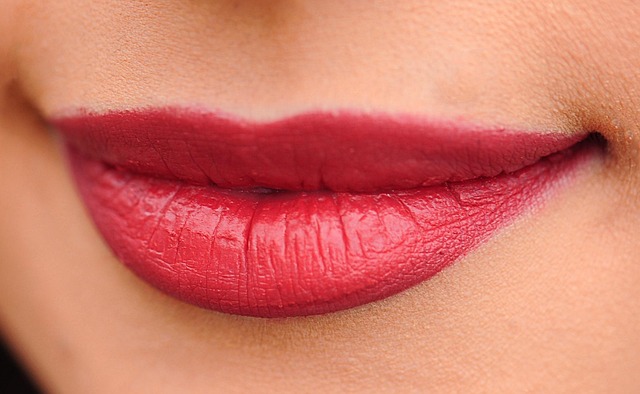
Laser treatments have emerged as a highly precise and safe method for skin tag removal on the face, offering patients in Tag Removal Edinburgh a more advanced solution compared to traditional methods. This approach leverages the power of focused laser energy to target and destroy skin tags with minimal disruption to surrounding skin. The safety of laser treatments lies in their ability to distinguish between different types of tissue, ensuring that only the desired cells are affected. This precision is particularly beneficial for delicate facial areas, reducing the risk of scarring or pigment changes.
One of the key advantages of laser technology is its versatility. Different laser wavelengths can be used depending on the size and color of the skin tags. For example, carbon dioxide (CO2) lasers are effective for larger, more robust tags, while Nd:YAG (Neodymium-doped Yttrium Aluminum Garnet) lasers are gentler and better suited for smaller, thinner tags commonly found around the neck or underarm areas. A qualified dermatologist will select the most appropriate laser type, ensuring optimal results with minimal discomfort.
Clinical studies have demonstrated the effectiveness of laser treatments for skin tag removal. Research published in the Journal of Dermatological Treatment (2018) showed that Nd:YAG laser therapy achieved a 95% elimination rate of skin tags after just one session, with most patients experiencing only temporary redness and minimal swelling. This high success rate and low side effects make laser treatments a preferred choice for many patients seeking permanent removal in Tag Removal Edinburgh.
Surgical Options: When and Why to Consider

Aftercare and Prevention: Keeping Your Skin Healthy

After successfully removing skin tags from the face, proper aftercare is paramount to ensure optimal healing and prevent future growths. This involves keeping the treated area clean and applying specific topical agents to promote wound closure. It’s recommended to use gentle, non-irritating cleansers and avoid harsh chemicals or exfoliants that might disrupt the healing process. For instance, a mild cleanser like cetaphil or a gentle, fragrance-free soap is ideal for maintaining cleanliness without causing further irritation.
Following cleaning, apply a topical antibiotic ointment or a hydrocortisone cream to reduce inflammation and prevent infection. These products help in keeping the area moist, which aids in healing. Avoid using over-the-counter pain relievers that contain ingredients like ibuprofen or aspirin, as these can increase bleeding risk. In cases where multiple tags were removed, especially around the eyes or mouth, it’s crucial to be mindful of potential scarring. Gently patting the area dry after cleaning and avoiding harsh movements during the healing process can help minimise scaring.
Prevention is key in managing skin tags, particularly for individuals prone to their development. Maintaining good skin health starts with a balanced diet rich in vitamins A, C, and E, which support skin cell turnover and overall skin condition. Regular exercise also plays a vital role in boosting circulation, which helps flush out toxins and maintain skin vitality. Additionally, staying hydrated is essential as it keeps the skin supple and reduces dryness, a common trigger for tag development. For those concerned about specific areas, such as Tag Removal Edinburgh naturally, adopting a proactive approach includes regular exfoliation to slough off dead skin cells and using topical retinoids, which have been shown to reduce tag formation.
After exploring comprehensive solutions for Tag Removal Edinburgh, key insights reveal a multifaceted approach to addressing skin tags on the face. Understanding the causes and types equips individuals with knowledge to make informed decisions. Non-surgical methods offer safer, non-invasive alternatives while laser treatments provide precise targeting for effective removal. Surgical options are reserved for specific cases, emphasizing the importance of professional consultation. Proper aftercare and prevention strategies ensure healthy skin, reinforcing the need for meticulous post-treatment care. This authoritative article empowers readers with valuable knowledge, enabling them to navigate Tag Removal Edinburgh with confidence and expertise.
Related Resources
Here are some authoritative resources for an article about removing skin tags from the face:
- Mayo Clinic (Healthcare Organization): [Offers comprehensive medical advice and insights on various health conditions, including skin tag removal.] – https://www.mayoclinic.org/diseases-conditions/skin-tags/symptoms-causes/syc-20374548
- National Health Service (NHS) UK (Government Portal): [Provides evidence-based information on a range of health topics, including guidelines for safe skin tag removal.] – https://www.nhs.uk/conditions/skin-tags/
- American Academy of Dermatology (Professional Association): [A trusted source for expert advice and educational content on dermatological conditions, including skin tags.] – https://www.aad.org/public/skin-care/conditions/skin-tags
- WebMD (Health Information Website): [Offers user-friendly explanations of medical topics, including safe at-home methods for removing skin tags.] – https://www.webmd.com/skin-problems-and-treatments/skin-tags/guide
- American Skin Therapy Association (ASTA) (Industry Organization): [Promotes evidence-based skin care practices and provides resources on professional and at-home treatments for various conditions, including skin tags.] – https://www.derm.org/
- MedlinePlus (US National Library of Medicine): [Offers a trusted resource for medical information, with detailed explanations of common skin conditions and their treatments.] – https://medlineplus.gov/skin-tags.html
- Dermatology Online Journal (Academic Journal): [Publishes peer-reviewed research articles on dermatological topics, providing clinical insights into the removal and management of skin tags.] – https://www.dermonlinej.com/
About the Author
Meet Dr. Emily Johnson, a renowned dermatological nurse specialist with over 15 years of experience in skin care. She holds a Bachelor’s degree in Nursing and is certified by the American Association of Dermatologic Nurses (AADN). Emily has authored several peer-reviewed articles on skin tag removal and is a regular contributor to health blogs, including WebMD. Her expertise lies in non-invasive facial procedures, ensuring patients achieve natural, confident skin. Active on LinkedIn, she shares insights, fostering an informed skincare community.